In the field of software advancement, testing is a new critical process of which ensures the product quality, operation, and performance regarding applications. For efficient testing, different conditions are set upward to simulate several conditions under which usually the software may operate. These check environments are thoroughly designed to imitate real-world scenarios, ensuring that any potential problems are caught before the software is launched into production. Within this article, we are going to explore the diverse forms of test environments, their purposes, and when to use them.
one. Development Surroundings
The particular development environment is where the initial code and unit screening happen. Developers compose, build, and work code within this kind of environment. It is developed for experimentation, as well as its primary focus is usually to facilitate coding in addition to unit-level validation. Designers usually use Incorporated Development Environments (IDEs) like Eclipse or perhaps Visual Studio to be effective in this environment.
When to Use This:
Unit Testing: Device tests verify that individual parts of typically the code (functions, methods) are intended.
Debugging: Developers use the particular development environment to be able to identify and fix bugs in typically the code.
Local Develops: It truly is used to be able to compile and build the code locally ahead of moving it in order to more formal assessment environments.
2. Test Environment
A check environment is generally a duplicate in the production environment, less some resources just like databases that may not require real-time access. This environment will be used by high quality assurance (QA) teams for various types of testing, including functional, integration, and even system testing.
If to Use It:
Functional Testing: Ensures that the application executes according to specified requirements.
Integration Screening: Tests the connection between integrated units/modules to ensure that they work together properly.
System Testing: The particular entire system is definitely tested to validate that this software performs as a complete.
The test environment is crucial for finding defects before the particular software moves in to more advanced levels of testing or perhaps production.
3. Setting up Environment
A setting up environment closely is similar to the production surroundings. It is sometimes the ultimate step before deploying the software straight into production and will be used to execute pre-release testing. The principal difference between staging and test environments is that staging mimics production more closely, including configurations and system integrations.
When to Use This:
User Acceptance Screening (UAT): The end-users or stakeholders analyze the software in the staging environment to be able to validate that it meets their anticipation and requirements.
Efficiency Testing: This assures the application will carry out well under predicted load conditions.
Pre-release Testing: All final testing happens here before the application is deployed into production. It is definitely the last possibility to identify any remaining issues.
some. Production Environment
The production environment is wherever the program is eventually deployed and built available to clients. This environment is usually live and contains all the configurations, adjustments, and data required for the application in order to function as designed. Once the software passes through just about all testing environments, this is pushed to production for real use.
When to Work with It:
Real-time Supervising: Monitoring tools tend to be used in production to ensure the system is definitely running as you expected plus to catch virtually any potential issues.
End-user Interactions: This environment is where actual end-user interactions along with the software occur. Any issues discovered here are usually classified as pests that need to be fixed.
Hotfixes and Patches: When critical issues will be discovered, hotfixes or even patches are implemented directly into typically the production environment to address them.
five. Performance Test Surroundings
A performance test environment is made especially for testing how the system reacts under different lots and stress problems. It is often just like the production atmosphere but might incorporate tools to reproduce traffic or tension tests.
When to be able to Use It:
Fill Testing: This assessments how the software performs under anticipated traffic conditions. Could the system manage the load?
Stress Testing: Tests the particular application’s ability in order to maintain performance beneath extreme conditions (i. e., higher as compared to expected loads).
Scalability Testing: Determines how well the application form weighing scales as user figures grow.
Restoration that will performance is not compromised under real-world conditions, the performance test out environment is crucial for applications expected to handle a large amount of users.
six. Security Test Atmosphere
Security testing surroundings focus on assessing the security functions of a credit card applicatoin. This particular type of surroundings is configured in order to test potential protection vulnerabilities like SQL injection, cross-site scripting (XSS), and illegal access.
When should you Work with It:
Penetration Tests: This involves ethical hacking attempts to uncover any safety measures flaws inside the technique.
Vulnerability Scanning: Computerized tools are more comfortable with identify known vulnerabilities within the system.
Safety measures Compliance Testing: Assures the application adheres to security plans and standards, this kind of as GDPR or PCI-DSS.
In today’s world of improving cyber threats, screening the security associated with software applications is definitely more important than in the past, making the security test environment the critical element of any comprehensive testing strategy.
7. Disaster Recuperation Test Atmosphere
Catastrophe recovery testing is usually conducted to ensure that typically the system can get over various disaster scenarios, such as storage space failures, data removes, or network black outs. news reproduces real-world disaster scenarios to validate that the recovery processes work as expected.
When to Make use of It:
Failover Tests: Simulates the malfunction of a technique or component to test how quickly the backup devices can take above.
Backup and Bring back Testing: Ensures that data can be restored from back up copies in the occasion of a process failing.
Business Continuity Tests: Verifies that crucial business operations may continue even though pieces of the method go lower.
This environment is very essential intended for mission-critical applications where downtime may result in considerable financial or reputational damage.
8. Sandbox Environment
A sandbox environment is isolated from the major system and permits developers or testers to experiment using new features, systems, or configurations without affecting other surroundings. This is especially great for R&D, advancement, and trying out remedies within a risk-free environment.
If you should Use This:
New Feature Growth: Developers can check new code or even features with no threat of affecting some other environments.
Prototype Assessment: Ideal for screening proof-of-concepts and fresh ideas before carrying out these to development.
Configuration Testing: Allows regarding testing different configuration settings and settings with no impacting the principal surroundings.
Conclusion
Test conditions play a huge role inside the software growth lifecycle by supplying isolated spaces to be able to test, validate, and verify different aspects associated with the software. Every single environment—development, test, setting up, performance, security, and more—serves a specific purpose and ensures the software meets top quality, security, and overall performance standards before it reaches production.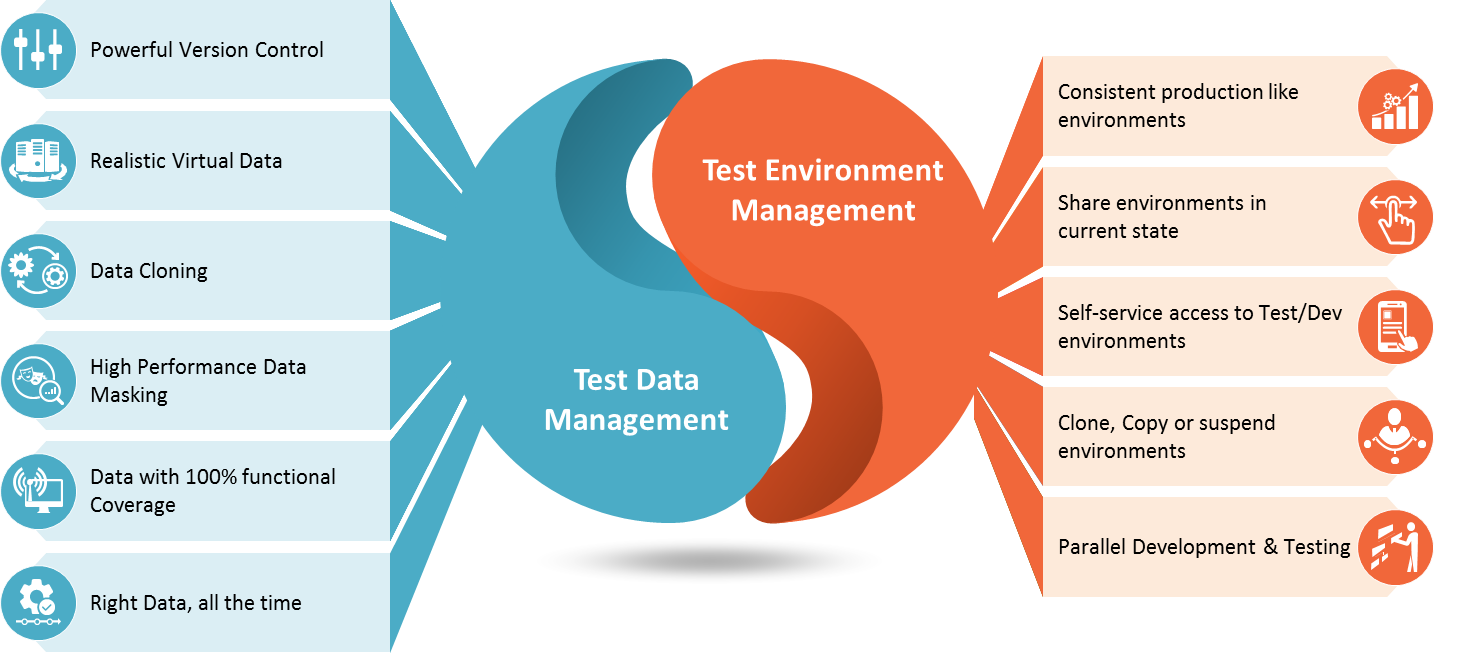
Understanding the different sorts of test conditions and knowing when to use all of them is vital for builders, testers, and IT professionals. A well-managed set of test environments helps throughout catching defects earlier, validating performance below real-world conditions, ensuring security, and, eventually, delivering a high-quality product to customers.
Varieties of Test Environments so when to Use Them
by
Tags:
Leave a Reply