see this Driven Advancement (TDD) is a new well-established software enhancement methodology where tests are written prior to the code is definitely implemented. This method allows ensure that the code meets the requirements and acts as you expected. While TDD has proven successful in traditional software program development, its application in Artificial Cleverness (AI) projects presents unique challenges. This kind of article explores these challenges and offers solutions for employing TDD in AJE projects.
Challenges in Implementing TDD throughout AI Projects
Concern and Non-Determinism
AJE models, particularly individuals according to machine understanding, often exhibit non-deterministic behavior. Unlike traditional software, where the same input reliably produces a similar end result, AI models could produce varying outcomes due to randomness in data processing or training. This particular unpredictability complicates the particular process of composing and maintaining assessments, as test situations might need regular adjustments to accommodate variations in design behavior.
Solution: To address this obstacle, focus on screening the complete behavior associated with the model instead than specific results. Use statistical techniques to compare the benefits of multiple works and be sure that the particular model’s performance is definitely consistent within acceptable bounds. Additionally, apply checks that validate the model’s performance against predefined metrics, such as accuracy and reliability, precision, and remember, rather than individual predictions.
Complexity of Model Training and Data Management
Coaching AI models consists of complex processes, like data preprocessing, function engineering, and hyperparameter tuning. These procedures could be time-consuming plus resource-intensive, making that difficult to integrate TDD effectively. Check cases that count on specific training effects might become out of date or impractical as the model evolves.
Solution: Break down typically the model training method into smaller, testable components. For instance, test individual files preprocessing steps and even feature engineering procedures separately before integrating them into the full training pipe. This modular technique enables more controllable and focused testing. Additionally, use edition control for datasets and model constructions to track changes and ensure reproducibility.
Difficulty in Defining Expected Outcomes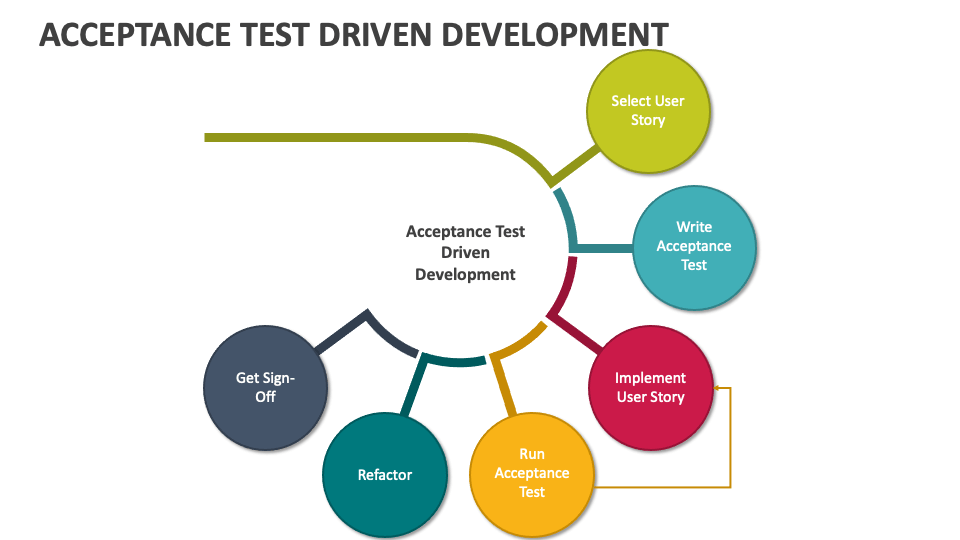
Defining obvious, objective expected results for AI types can be tough. Unlike deterministic computer software, AI models often involve subjective decision and complex decision-making processes. Establishing exact expected results with regard to tests can end up being difficult, especially any time dealing with tasks like image classification or perhaps natural language digesting.
Solution: Adopt a new combination of practical and performance tests. For functional testing, define clear conditions for model behaviour, like meeting some sort of certain accuracy threshold or performing specific actions. For efficiency testing, assess the model’s efficiency and scalability under different circumstances. Use a blend quantitative and qualitative metrics to examine model performance in addition to adjust test circumstances accordingly.
Dynamic Nature of AI Designs
AI models usually are often updated in addition to retrained as new data receives or as improvements are made. This powerful nature can business lead to frequent adjustments in the model’s behavior, which may necessitate regular improvements to test circumstances.
Solution: Implement a consistent integration (CI) plus continuous deployment (CD) pipeline that includes automated testing intended for AI models. This kind of setup ensures that tests are operate automatically whenever adjustments are made, helping to identify issues early on and maintain program code quality. Additionally, preserve a comprehensive suite of regression tests in order to verify that brand new updates do certainly not introduce unintended changes or degrade functionality.
Integration with Current Development Procedures
Developing TDD with current AI development practices, such as unit training and evaluation, can be demanding. Traditional TDD centers on unit testing regarding small code portions, while AI enhancement often involves end-to-end testing of intricate models and workflows.
Solution: Adapt TDD practices to fit the AI development framework. Start by implementing unit tests regarding individual components, such as data running functions or unit algorithms. Gradually increase testing to include integration tests that validate the interaction between components in addition to end-to-end tests that evaluate the overall unit performance. Encourage effort between data experts and software designers to ensure that testing procedures align with development goals.
Best Procedures for Implementing TDD in AI Jobs
Define Clear Tests Objectives
Establish very clear objectives for assessment AI models, which includes functional requirements, functionality benchmarks, and good quality standards. Document these objectives and ensure of which they align with project goals and stakeholder expectations.
Make use of Automated Testing Tools
Leverage automated testing tools and frames to streamline therapy process. Tools like TensorFlow’s Model Examination, PyTest, and customized testing scripts will help automate the examination of model efficiency and facilitate continuous testing.
Incorporate Design Validation Techniques
Implement model validation approaches, such as cross-validation and hyperparameter fine-tuning, to evaluate model overall performance and robustness. Incorporate these techniques directly into your testing framework to ensure of which the model meets quality standards.
Work together Across Teams
Foster collaboration between data scientists, software technicians, and QA pros to ensure that TDD methods are effectively included into the expansion method. Regular communication plus feedback may help discover potential issues plus improve testing techniques.
Maintain Test Overall flexibility
Recognize that AJE models are subject to change and conform testing practices accordingly. Maintain flexibility throughout test cases and stay prepared to modify them as the model evolves or new requirements come up.
Conclusion
Implementing Test out Driven Development (TDD) in AI assignments presents unique challenges due to the particular inherent complexity, non-determinism, and dynamic character of AI models. However, by dealing with these challenges together with targeted solutions and best practices, teams may effectively integrate TDD within their AI advancement processes. Embracing TDD in AI assignments can lead to more trusted, high-quality models and ultimately contribute to the accomplishment of AI projects
Putting into action Test Driven Advancement in AI Projects: Challenges and Solutions
by
Tags:
Leave a Reply