In recent years, the rise of man-made intelligence (AI) offers significantly impacted several sectors, including application development. AI-generated code—code produced or advised by AI systems—has the potential to reduces costs of development processes plus enhance productivity. Even so, as with any code, examining its quality remains to be crucial. Metrics plus tools for calculating code quality are essential to ensure that AI-generated code meets requirements of performance, maintainability, and reliability. This specific article delves in to the key metrics and tools used to be able to measure the quality associated with AI-generated code.
just one. Need for Measuring Code Top quality
Code quality is important for various reasons:
Maintainability: High-quality code is a lot easier to understand, modify, plus extend. This is usually crucial for long lasting maintenance and progression.
Performance: Efficient computer code makes certain that applications run smoothly, with minimal resource consumption.
Reliability: Reliable code is definitely less vulnerable to pests and failures, which often enhances the overall stability of applications.
Security: Quality signal is less probably to contain weaknesses that could become exploited by attackers.
For AI-generated signal, these aspects are usually even more crucial, as the program code is often made with minimal man intervention. Ensuring its quality requires solid evaluation methods.
a couple of. Metrics for Calculating Code Quality
In order to gauge the top quality of AI-generated code, several metrics are engaged. These metrics can be broadly categorized into structural, functional, and performance-based measures:
a new. Structural Metrics
Program code Complexity:
Cyclomatic Complexness: Measures the number of independent paths through the program code. High cyclomatic complexness indicates complex computer code that may become harder to evaluate and even maintain.
Halstead Metrics: Includes measures including the number of workers and operands, which help in evaluating code complexity in addition to understandability.
Code Sizing:
Lines of Computer code (LOC): Provides a standard measure of signal size, though this doesn’t directly correlate with quality. Abnormal LOC might reveal bloated code.
Amount of Functions/Methods: A better number of functions or perhaps methods can imply modularity, but abnormal fragmentation might business lead to difficulties throughout code management.
Computer code Duplication:
Clone Recognition: Identifies duplicated program code fragments, which can result in maintenance issues and increase the particular risk of inconsistencies.
b. Functional Metrics
Test Coverage:
Device Test Coverage: Actions the percentage regarding code exercised by simply unit testing. High protection is normally associated using better-tested code, although 100% coverage doesn’t guarantee quality.
Incorporation Test Coverage: Assesses how well the integration points involving different modules usually are tested.
Bug Denseness:
Defects per KLOC (Thousand Lines of Code): Indicates the number of bugs relative to how big the codebase. Lower defect thickness suggests higher code quality.
Code Readability:
Comment Density: Steps the proportion of comments to program code. Well-commented code is definitely easier to understand and even maintain.
Naming Conferences: Consistent and detailed naming of parameters, functions, and lessons improves code readability.
c. Performance Metrics
Execution Time:
Procedures how long the particular code takes in order to execute. Efficient program code should minimize execution time while carrying out the mandatory tasks.
Memory Usage:
Evaluates typically the amount of recollection consumed by typically the code. see this should use recollection efficiently without creating leaks or too much consumption.
3. Equipment for Measuring Code Top quality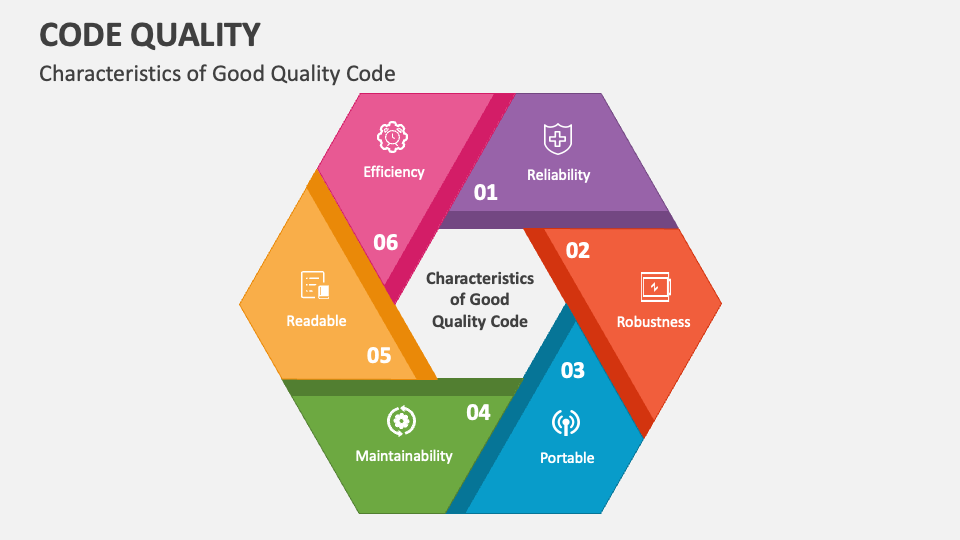
Several equipment can be obtained to handle the measurement associated with code quality. These tools can be integrated into the development pipeline to supply real-time feedback about code quality.
a new. Static Code Analysis Tools
SonarQube:
Provides comprehensive code evaluation, including metrics upon complexity, duplications, in addition to potential bugs. That supports various encoding languages and combines with CI/CD sewerlines.
ESLint:
A widely used tool intended for linting JavaScript code. It helps recognize and fix troubles in code, making sure adherence to coding standards and finest practices.
PMD:
A great open-source static research tool for Java and other dialects. It detects common coding issues for example unused variables, bare catch blocks, and more.
b. Dynamic Computer code Analysis Tools
JUnit:
A popular tests framework for Coffee applications. It allows in measuring product test coverage plus identifying bugs by means of automated tests.
PyTest:
A testing construction for Python that supports test finding, fixtures, and several testing strategies. It helps ensure code quality through extensive testing.
c. Computer code Quality Monitoring Resources
CodeClimate:
Provides the selection of code quality metrics, including maintainability and complexity ratings. It integrates along with various version control systems and provides workable insights.
Coverity:
A great advanced static evaluation tool that recognizes critical defects plus security vulnerabilities in code. It helps multiple languages in addition to integrates with growth workflows.
4. Problems and Considerations
Whilst metrics and tools are essential, these people are not with out challenges:
False Positives/Negatives: Metrics and equipment may sometimes produce inaccurate results, ultimately causing false positives or even negatives. It’s crucial to interpret results contextually.
Overemphasis on Metrics: Relying solely in metrics can guide to neglecting other aspects of signal quality, such because design and structure.
AI-Specific Challenges: AI-generated code may have got unique issues not necessarily covered by classic metrics and tools. Custom solutions and extra evaluation criteria could be necessary.
5. Foreseeable future Directions
As AJE continues to progress, so will the particular tools and metrics for evaluating computer code quality. Future innovations may include:
AI-Enhanced Analysis: Tools of which leverage AI to higher understand and evaluate AI-generated code, offering more accurate examination.
Context-Aware Metrics: Metrics that take directly into account the framework and purpose associated with AI-generated code, offering more relevant high quality measures.
Automated Quality Improvement: Systems of which automatically suggest or implement improvements structured on quality metrics.
Conclusion
Measuring signal quality in AI-generated code is essential for ensuring of which it meets typically the required standards of maintainability, performance, in addition to reliability. By employing a variety of structural, practical, and performance-based metrics, and leveraging a variety of tools, developers can efficiently assess and improve the quality of AI-generated code. As technology advances, continuous improvement in metrics and even tools will participate in a vital role inside managing and customizing the standard of code created by AI systems
Metrics and Tools for Measuring Code Good quality in AI-Generated Code
by
Tags:
Leave a Reply