The advent of unnatural intelligence (AI) features revolutionized many fields, and software growth is not any exception. AI-powered code generation resources, for instance GitHub Copilot, OpenAI Codex, in addition to various others, are usually increasingly assisting programmers by producing computer code snippets, entire features, and even complex methods. However, despite their very own impressive capabilities, these types of tools are generally not infallible and can sometimes produce code that will suffers from exactly what is known as “code smells. “
Code smells will be indicators of prospective problems in code that might not necessarily be outright pests but can result in issues in the upcoming if left untreated. Understanding and responding to code smells inside AI-generated code is crucial for preserving code quality plus ensuring that the program is maintainable, international, and efficient. This article will explore common pitfalls associated with AI-generated code, identify typical code smells, in addition to provide practical solutions to address these issues.
1. What Usually are Code Smells?
Code smells are habits in code of which suggest there may be underlying problems. These are not really definitive bugs although rather indicators that will the code could be improved to enhance readability, maintainability, or even performance. Code smells can arise coming from various factors, which includes poor design, shortage of abstraction, or even redundancy.
2. Common Pitfalls in AI-Generated Code
AI signal generators are skilled on large numbers regarding existing code and follow learned habits. While these are excellent at producing useful code, they could sometimes generate code that has common stumbling blocks:
a. Over-reliance about Styles
AI-generated signal often relies intensely on common habits or templates seen in the training info. This can lead to:
Inappropriate utilization of design and style patterns: Applying some sort of design pattern wherever it’s not appropriate can overcomplicate typically the code.
Redundancy: Reproducing similar blocks associated with code unnecessarily.
n. Lack of Framework Awareness
AI tools may not completely understand the specific circumstance of your software, leading to:
Out of line functionality: The developed code might not align together with the planned use or architectural design of your application.
Inconsistent coding designs: Generated code may well not adhere to the project’s coding standards or style instructions.
c. Poor Mistake Coping with
AI-generated code might lack powerful error handling, primary to:
Uncaught exclusions: Code may well not properly handle edge situations or errors.
Safety vulnerabilities: Insufficient insight validation or problem handling could show the application to be able to security risks.
deb. Performance Issues
AI tools may produce code that will be not optimized with regard to performance, leading to: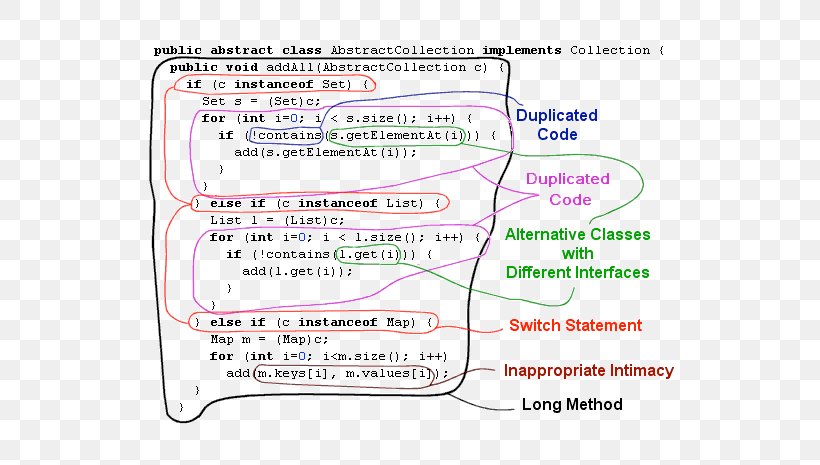
Bad algorithms: Generated signal might use suboptimal algorithms or data structures.
Resource wastage: Inefficient resource managing can lead to be able to increased memory or perhaps CPU usage.
3. Identifying Code Scents in AI-Generated Signal
To keep up high-quality code, developers need in order to be vigilant concerning identifying code scents. Here are a few common code scents found in AI-generated code:
a. Replicated Code
Smell: The same or similar signal appears in several places.
Solution: Refactor the duplicated program code into reusable capabilities or methods. Not only does this reduces redundancy but also improves maintainability.
b. Long Methods
Smell: Procedures or functions are excessively long is to do too much.
Answer: Tenderize long procedures into smaller, even more focused functions. This improves readability in addition to makes the code easier to analyze and maintain.
c. God Items
Odor: A single category or object assumes too many obligations.
Solution: Apply typically the Single Responsibility Rule by refactoring the particular code into several classes or things, each coping with specific responsibility.
d. Miracle Numbers
Smell: Hardcoded numeric values will be used without reason.
Solution: Replace wonder numbers with known as constants or enums. This improves program code readability and makes future changes much easier.
e. Poor Naming Exhibitions
Smell: Factors, functions, or instructional classes have non-descriptive names.
Solution: Use significant names that plainly describe the objective or functionality involving the code components. This enhances code readability and maintainability.
f. Inconsistent Formatting
Smell: The computer code formatting is sporadic with the project’s style guide.
Remedy: Comply with the project’s coding standards and use tools just like linters or formatters to enforce steady formatting.
4. Greatest Practices for Responding to Code Smells throughout AI-Generated Computer code
Right here are some best practices for handling and improving AI-generated code:
a. check that and Refactor
Frequently review the AI-generated code and refactor it as required. Manual inspection is vital to identify and even address code scents the AI might have overlooked.
w. Automate Code Top quality Checks
Implement automatic tools like linters, code analyzers, and even static code analysis tools to constantly monitor code top quality and identify prospective issues early.
g. Incorporate Human Oversight
AI-generated code ought to be considered a new starting point. Engage experienced developers to review and refine the particular code, ensuring that meets the project’s requirements and standards.
d. Conduct Comprehensive Testing
Perform extensive testing, including unit tests, integration tests, and performance tests, to guarantee that the produced code functions effectively and meets performance requirements.
e. Provide Feedback to AI Tools
When achievable, provide feedback to be able to the developers regarding AI code generation tools. This assists improve the tool’s efficiency and reduces the particular likelihood of continual code smells.
a few. Conclusion
AI-generated program code represents a important advancement in software program development, offering effectiveness and productivity advantages. However, it is usually not without the challenges. By comprehending and addressing common code smells, designers can ensure that AI-generated code will be not only efficient but also regarding high quality. Normal reviews, refactoring, and even adherence to greatest practices will help maintain code that is clean, supportable, and performant. Embracing both the strong points and limitations involving AI tools can ultimately lead to better software and a more fruitful development process
Comprehending Code Smells throughout AI-Generated Code: Common Pitfalls and Solutions
by
Tags:
Leave a Reply