Introduction
Technical debt can be a term used to be able to describe the results of taking shortcuts or perhaps opting for more rapidly solutions in software development, which can easily result in future remodel or inefficiencies. In the context involving AI code, technological debt could be especially detrimental because of the complex, evolving nature associated with AI systems in addition to their dependencies about data, algorithms, and even infrastructure. This content explores case research of technical personal debt in AI code, highlighting the instructions learned from actual examples to higher understand and manage this challenge.
Example 1: A Major Tech Company’s AI Suggestion System
Background:
A leading technology company developed an AI-based advice system for their very own e-commerce platform. The system was created to personalize product recommendations centered on user conduct and preferences. To satisfy tight deadlines, the development team chose the quick and grubby approach, prioritizing acceleration over code high quality and scalability.
Issues:
Scalability Problems: Because user traffic improved, the program struggled to be able to handle the burden. The particular initial architecture was not designed to level efficiently, leading to slow response times and even occasional system accidents.
Maintenance Challenges: The particular codebase became more and more difficult to keep. The shortcuts taken during development triggered a complex plus tangled code composition, rendering it hard regarding new developers to be able to understand and add.
Performance Bottlenecks: The particular system’s performance degraded over time due to poorly maximized algorithms and ineffective data handling methods.
Lessons Learned:
Commit in Scalable Buildings: It’s crucial to be able to design AI methods with scalability throughout mind from the outset. Looking forward to growth and creating a robust architecture can prevent long term performance issues.
Prioritize Code Quality: Even under tight deadlines, maintaining high computer code quality is important. Implementing best practices and proper testing can save important time and effort in the extended run.
Refactor On a regular basis: Regular refactoring and code reviews may help address technical debt early. This kind of practice ensures that the code continues to be manageable and versatile to future alterations.
Case Study 2: The Health Tech Startup’s Predictive Analytics Model
Background:
A health and fitness tech startup created a predictive analytics model to predicted patient outcomes structured on historical wellness data. The team elected for rapid prototyping, using pre-built libraries and frameworks to accelerate development.
Problems:
Library Dependencies: The model heavily depended on outdated your local library and frameworks. As these dependencies became deprecated, maintaining and modernizing the system grew to become challenging.
Data Good quality Issues: The make use of of inconsistent info preprocessing methods triggered inaccurate predictions and even reduced the model’s reliability.
Security Weaknesses: The quick enhancement process neglected appropriate security measures, resulting in vulnerabilities that exposed sensitive patient data.
Lessons Learned:
Remain Updated with Dependencies: Regularly updating your local library and frameworks is essential to ensure abiliyy and security. Building a procedure for monitoring and managing dependencies can mitigate risks.
Ensure Data Uniformity: Implementing rigorous files preprocessing and affirmation protocols helps maintain data quality, which is critical for typically the accuracy of predictive models.
Incorporate Safety Measures Early: Security should be a fundamental element of the development process. Addressing security worries from the beginning can prevent vulnerabilities and shield sensitive information.
Case Study 3: A good Autonomous Vehicle Startup’s Machine Learning Pipe
Background:
An autonomous vehicle startup developed a machine studying pipeline for real-time object detection and even navigation. They employed a modular method to quickly integrate various components plus test different methods.
Issues:
Integration Issues: The modular method, while flexible, generated difficulties in adding components due in order to inconsistent interfaces plus data formats.
Formula Drift: The models’ performance degraded above time because of concept drift and changes in the working environment. The program lacked mechanisms to adapt to these changes.
Documentation Insufficiencies: The rapid development process resulted in poor documentation, producing it challenging intended for new team associates to comprehend the program and contribute properly.
Lessons Learned:
Standardize Interfaces: Consistent cadre and data forms are crucial for seamless integration. Building standards early within the development process can easily alleviate integration difficulties.
Implement Adaptive Systems: AI systems should include mechanisms to manage concept drift in addition to adapt to changing environments. Continuous monitoring in addition to updating of types may help maintain performance.
Document Thoroughly: Comprehensive documentation is necessary for maintaining and even expanding AI devices. Investing amount of time in creating code, processes, in addition to algorithms facilitates knowledge transfer and reduces onboarding time for brand-new team members.
Case Study 4: A Financial Institution’s Fraud Diagnosis Technique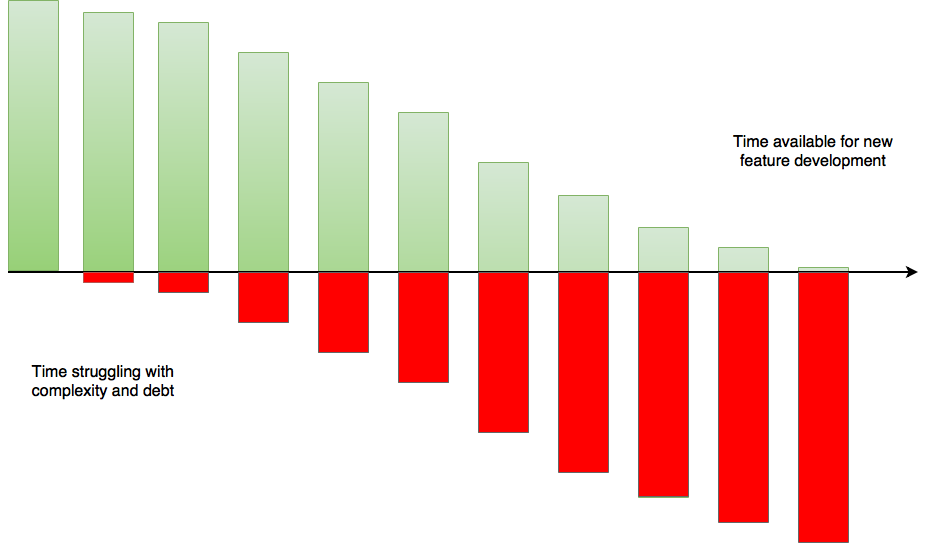
Background:
Some sort of financial institution implemented an AI-based fraud detection system to identify suspicious transactions. The program used a rule-based approach initially, along with plans to changeover to machine studying models as typically the data grew.
Problems:
Rule-Based Limitations: Typically the initial rule-based program became rigid plus unable to adjust to new fraud styles, leading to a new high rate of false positives and even missed detections.
The usage with Legacy Systems: Integrating the AJE system with current legacy systems turned out challenging, resulting in gaps and additional fees.
Lack of Unit Transparency: The change to machine learning models lacked transparency, so that it is difficult in order to understand and make clear model decisions, which was crucial regarding regulatory compliance.
Classes Learned:
Balance Rule-Based and Machine Studying Approaches: Combining rule-based systems with equipment learning models can provide an even more flexible and adaptive solution. Gradually i loved this in order to advanced models while maintaining the rule-based system can ensure a smoother advancement.
Cover Integration Early on: Considering integration together with legacy systems through the beginning assists avoid potential holds off and complications. Setting up clear integration tactics can streamline the procedure.
Ensure Model Openness: Transparency in AJAI models is fundamental for compliance and trust. Implementing strategies for explaining and even interpreting model selections can address regulatory requirements and boost user trust.
Bottom line
Technical debt inside of AI code may have significant consequences, ranging from functionality issues to protection vulnerabilities. By evaluating real-world case research, we are able to glean important lessons on just how to address and even mitigate technical personal debt effectively. Key takeaways include the value of scalable structures, code quality, habbit management, data regularity, security, and comprehensive documentation. Addressing technical debt proactively in addition to integrating these instructions into development practices can lead to better quality, reliable, and maintainable AI devices.
Case Studies of Technical Debt in AI Code: Lessons Discovered from Real-World Examples
by
Tags:
Leave a Reply