The Waterfall framework is one of the earliest methodologies employed in software development. This can be a linear and continuous approach that has been widely used for its set up process. As artificial intelligence (AI) continues to evolve and assimilate into various domain names, including software enhancement, understanding the impact in the Waterfall construction on AI computer code generators is necessary. This article explores the advantages and limitations of applying the Waterfall platform in the context of AI code era.
Learning the Waterfall Platform
The Waterfall platform can be a project managing methodology that comprises of distinct stages: Requirements, Design, Execution, Testing, repairs and maintanance. Typically the process follows a new linear sequence, exactly where each phase has to be completed before moving forward to the up coming. This approach provides a clear structure and is easy to manage, particularly for projects with well-defined requirements.
Advantages of the Waterfall Framework for AI Code Generator
Obvious Structure and Documents
The Waterfall model’s structured approach ensures that each phase is clearly described, that is particularly advantageous for AI program code generators. Through Visit This Link of linear sequence, designers can create in depth documentation at every stage, facilitating far better understanding and conversation with the project demands. This documentation turns into valuable for foreseeable future reference and preservation.
Predictable Timelines and Budget
The Waterfall framework provides for comprehensive planning and opinion of timelines in addition to budgets. Since each phase is done prior to the next starts, it is simpler to predict task milestones and designate resources effectively. For AI code generators, this predictability may help manage expectations and ensure that will the project stays on on track.
Early on Requirement Definition
The particular Waterfall model focuses on the importance regarding gathering and understanding requirements early within the project. Regarding AI code generators, having an obvious knowledge of requirements by the outset makes certain that the generated signal aligns with typically the specified goals plus objectives. This decreases the likelihood associated with significant changes after in the development process.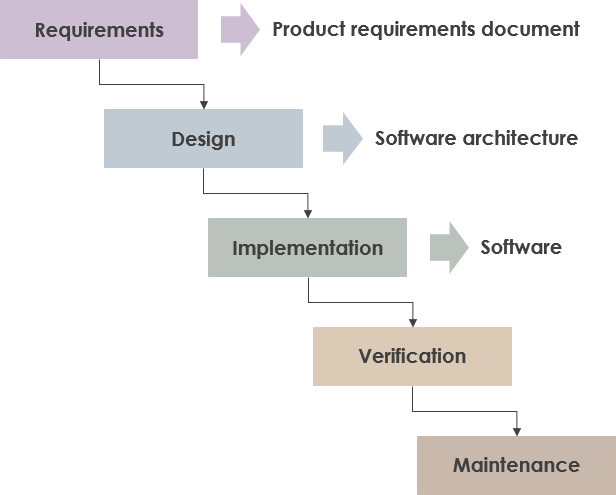
Ease regarding Administration
The linear nature of typically the Waterfall framework makes it straightforward to manage and monitor advancement. Each phase provides specific deliverables in addition to deadlines, allowing job managers to trail progress easily. Intended for AI code technology projects, this quality helps to ensure that every stage is done extensively before proceeding to be able to the next.
Suitable for Well-Defined Projects
The Waterfall unit is particularly effective for projects with well-defined requirements plus limited scope intended for changes. For AI code generators taking care of projects with stable and clear needs, the Waterfall framework provides a dependable methodology to create high-quality code efficiently.
Limitations with the Design Framework for AJAI Code Power generators
Inflexibility to Change
One of the major limitations of typically the Waterfall framework will be its rigidity. When a phase is definitely completed, it will be challenging to review it without important disruption to the particular project. In the circumstance of AI program code generators, where demands may evolve as the project advances, the inability to be able to easily accommodate changes can lead in order to issues. If typically the initial requirements are usually not entirely exact or if innovative insights emerge, helping to make adjustments can be cumbersome and expensive.
Delayed Testing
In the Waterfall magic size, testing occurs simply after the setup phase is comprehensive. This delay can lead to the discovery regarding critical issues past due in the development process, making them more difficult plus expensive to deal with. For AI signal generators, where iterative testing and accomplishment are crucial, this delayed method to testing may hinder the overall quality and usefulness of the produced code.
Lack regarding Iteration
The Design framework does certainly not inherently support iterative development. Iteration is definitely essential for refining AI models plus algorithms, as that allows for continuous enhancement and adaptation centered on feedback and testing results. Typically the absence of iterative cycles in the Waterfall model might limit the capacity to enhance and optimize AI signal generators effectively.
Partial User Feedback
Customer feedback is typically obtained after typically the implementation phase inside the Waterfall magic size. This delay inside incorporating user feedback can result in a final item that does not necessarily fully meet end user needs or objectives. For AI program code generators, which might need user input in order to refine and modify the generated signal, this limitation can affect the total usability and operation of the solution.
Possible for Scope Slide
While the Design model emphasizes major requirements upfront, scope creep can even so occur if typically the initial requirements are usually not thoroughly vetted. In AI signal generation projects, exactly where requirements and goals can evolve, you will find a risk of range creep impacting the project’s timeline and even budget. Managing scope changes effectively will become vital to avoid probable issues.
Conclusion
The Waterfall framework gives several advantages with regard to AI code power generators, including clear structure, predictable timelines, plus early requirement classification. Its linear approach provides a clear process that might be necessary for tasks with stable demands. However, the constraints involving the Waterfall type, such as inflexibility to modify, delayed tests, and lack associated with iteration, present problems for AI signal generation projects.
Intended for AI code generation devices, the Waterfall construction may be suited to well-defined and easy projects but may fight to accommodate the dynamic nature associated with AI development. Because the field involving AI is constantly on the advance, exploring alternative strategies that offer better flexibility and iterative capabilities may become beneficial. Agile strategies, for instance, offer a more adaptable method that aligns with the iterative and innovating nature of AJAI development.
In synopsis, as the Waterfall platform has its place in the software enhancement landscape, understanding it is advantages and limits is crucial with regard to effectively applying it to AI signal generation projects. By carefully considering these types of factors, developers may make informed selections and choose the many appropriate methodology for their specific needs and even project requirements.
Benefits and Limitations with the Waterfall Framework regarding AI Code Generators
by
Tags:
Leave a Reply