Introduction
Within the rapidly evolving regarding software development, unnatural intelligence (AI) is usually making significant strides, especially in generating code. AI-generated computer code, powered by superior machine learning types and natural vocabulary processing algorithms, retains the promise involving accelerating development series, reducing human error, and enhancing productivity. However, to fully realize these advantages, ensuring the quality and reliability of AI-generated code is crucial. This particular is where End user Acceptance Testing (UAT) plays a crucial role. UAT is a critical phase within the software development lifecycle that validates whether the software meets the end-users’ needs and even requirements. In this kind of article, we are going to explore how UAT has contributed to the good quality and reliability regarding AI-generated code and even why it is definitely an indispensable part of the development process.
Knowing UAT
User Acceptance Testing (UAT) will be the final phase from the software testing method, typically conducted following system testing plus before the computer software is released to the production atmosphere. The primary objective of UAT is to ensure that typically the software performs not surprisingly in real-world scenarios and meets the actual needs of their users. During UAT, actual users or perhaps stakeholders test the particular software within an atmosphere that closely is similar to the production environment to validate the functionality, usability, and even overall performance.
The particular Challenges of AI-Generated Code
AI-generated program code, while promising, arrives with its place of challenges:
Quality Assurance: AI systems might generate code quickly, but the top quality with this code may vary. Errors, inefficiencies, and bugs may possibly be present, necessitating rigorous testing to make sure it meets the specified standards.
Context Understanding: AI models may not fully grasp the particular context or specific requirements of the project. Because of this, typically the generated code may not align perfectly with user expectations or business needs.
Complexity: AI-generated signal can often be complex plus difficult for people to understand or perhaps modify. This difficulty can lead to issues that are generally not immediately apparent throughout initial testing phases.
Integration: Integrating AI-generated code with present systems or legacy code can introduce unforeseen issues, affecting the overall system’s reliability and overall performance.
The Role regarding UAT in AI-Generated Code
UAT addresses these challenges by simply providing a methodized approach to validating AI-generated code. Here’s exactly how UAT contributes to be able to ensuring the product quality and even reliability with this computer code:
Validation Against Customer Requirements
One of the primary uses of UAT would be to verify that the particular software meets the particular end-users’ requirements and expectations. For AI-generated code, this signifies ensuring that typically the code performs the desired functions as planned by the users. UAT involves genuine users testing the software in cases that mirror real usage, letting them supply feedback on no matter if the AI-generated code fulfills their requires.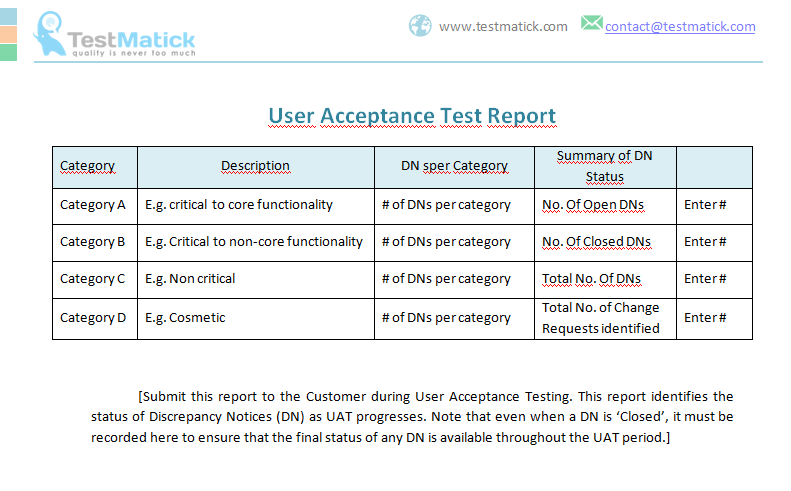
Identifying and Dealing with Problems
UAT will help identify issues that might not get apparent during previous testing phases. Consumers may encounter bugs, performance issues, or even usability problems of which were not diagnosed during automated or perhaps system testing. Simply by involving end-users, UAT provides valuable observations into how the AI-generated code works in real-world scenarios helping address any issues before typically the software is released.
Improving Usability
AI-generated code may occasionally result in computer software that is not intuitive or user-friendly. UAT focuses on usability assessment, ensuring that the software is easy to make use of and navigate. Comments from actual users helps refine the particular user interface and overall user knowledge, making the computer software more accessible plus efficient.
Ensuring The usage and Compatibility
Incorporation with existing methods or databases is often a complicated task. UAT helps ensure that AI-generated code integrates seamlessly to components and methods. Users test the program in an surroundings that closely resembles the availability setup, identifying any integration problems and ensuring abiliyy together with software or perhaps components.
Validating news and Reliability
Efficiency and reliability will be critical aspects involving any software. UAT involves testing the software’s performance beneath various conditions to be able to ensure it complies with the required criteria. For AI-generated codes, this implies assessing the capability to handle distinct workloads, respond to user interactions quickly, and maintain balance over time.
Gathering User Feedback
UAT provides a platform with regard to users to offer you feedback within the application. This feedback is usually invaluable in improving and improving the particular AI-generated code. Users may suggest innovations, report issues, or even highlight areas for improvement, which helps to developers make required adjustments before the final release.
Ensuring Compliance
Depending on the particular industry or regulatory requirements, software may need to abide by specific standards or perhaps regulations. UAT helps ensure that AI-generated code adheres to these types of compliance requirements, lowering the risk of legal or regulatory issues.
Best Practices for UAT in AI-Generated Signal
To maximize the effectiveness of UAT for AI-generated code, consider the particular following best procedures:
Involve Real Customers Early
Engage true users early within the development process to provide feedback on AI-generated codes. This can help identify possible issues and line up the code along with user expectations from the outset.
Produce Comprehensive Test Cases
Develop test scenarios that cover the wide range associated with use cases plus conditions. This ensures that the AI-generated code is analyzed thoroughly and works well in various situations.
Facilitate Sharp Communication
Maintain crystal clear communication between designers, testers, and consumers throughout the UAT process. This allows address any concerns promptly and ensures that feedback is definitely effectively incorporated into the development process.
Sum up and Refine
UAT is an iterative process. Use feedback from users in order to refine and boost the AI-generated signal continuously. Multiple rounds of testing may well be necessary to be able to achieve the preferred quality and dependability.
Document Findings plus Actions
Document just about all findings from UAT, including issues recognized, user feedback, and even actions taken up address problems. This paperwork helps track progress and provides valuable insights for prospect development efforts.
Test in a Reasonable Surroundings
Ensure that will UAT is conducted in an environment that closely has a resemblance to the production set up. This helps identify the usage issues and assures that the AI-generated code performs reliably in the real-world.
Conclusion
As AJAI continues to enhance the application development surroundings, ensuring the quality and reliability associated with AI-generated code will be paramount. User Acceptance Testing (UAT) performs a crucial role in this process by validating that will the code complies with user requirements, identifying and addressing concerns, improving usability, plus ensuring integration and compatibility. Through greatest practices for UAT, organizations can control the power regarding AI-generated code whilst delivering high-quality, trusted software that fulfills the needs from the users. In undertaking so, UAT not really only improves the effectiveness of AI in software development but also contributes to be able to an even more seamless plus user-centric software expertise.
The particular Role of UAT in Ensuring Quality and Reliability regarding AI-Generated Code
by
Tags:
Leave a Reply